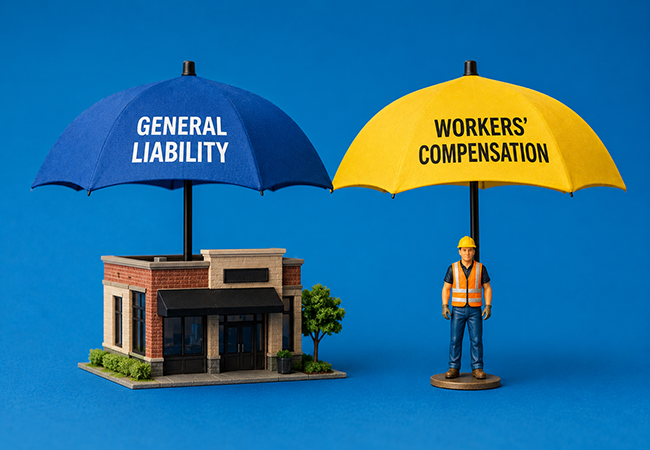

Workers comp insurance cost is driven mostly by your industry class codes, your total payroll, your claims history (your experience modification rate), your state, and the size of your business. Heading into 2026, rate changes, payroll growth, and shifting classifications mean many employers are paying noticeably more or less than a few years ago. Understanding these factors is the first step to lowering what you pay.
If you’re a business owner trying to budget for the upcoming year, understanding workers comp insurance cost is essential to your financial planning. As we head into 2026, many employers are discovering that their premiums have shifted—sometimes dramatically—from what they paid just a few years ago. Whether you’re launching a startup, managing a growing enterprise, or simply trying to keep operational expenses under control, knowing what drives your workers compensation insurance rates can help you make smarter decisions and potentially save thousands of dollars annually.
Workers’ compensation insurance isn’t just another line item on your budget—it’s a legal requirement in nearly every state and a critical safety net for your employees. But here’s the good news: while you can’t avoid carrying this coverage, you absolutely can influence how much workers comp insurance cost impacts your bottom line. In this comprehensive guide, we’ll break down every factor that affects your rate in 2026, provide actionable strategies to reduce your premiums, and help you understand exactly what you’re paying for.
Understanding Workers Comp Insurance Cost: The Basics
Before diving into the specific factors that influence your rates, let’s establish a foundation for understanding how workers’ compensation insurance pricing works. Unlike other types of business insurance that might use straightforward flat rates, the cost of workers comp insurance is calculated using a complex formula that takes multiple variables into account.
How Premiums Are Calculated
The basic formula for calculating workers’ compensation premiums looks like this:
Premium = (Payroll / 100) × Class Code Rate × Experience Modification Rate (EMR)
This means your total payroll, the type of work your employees perform, and your company’s claims history all play crucial roles in determining what you’ll pay. Let’s break down each component:
- Payroll: Your total employee wages form the foundation of your premium calculation
- Class Code Rate: A rate assigned based on the risk level of each job category
- Experience Modification Rate: A multiplier based on your claims history compared to similar businesses
Average Cost of Workers Comp Insurance in 2026
So, how much does workers comp insurance cost for the typical business? According to industry data, small businesses pay an average of $45 to $150 per month for workers’ compensation coverage, though this varies significantly based on several factors. When calculated per $100 of payroll, rates typically range from $0.75 for low-risk office workers to over $15 for high-risk construction workers.
Here’s a breakdown of the average cost of workers comp insurance by industry in 2026:
- Clerical/Office Work: $0.25 – $0.75 per $100 of payroll
- Retail: $1.00 – $2.50 per $100 of payroll
- Manufacturing: $2.00 – $5.00 per $100 of payroll
- Healthcare: $2.50 – $4.50 per $100 of payroll
- Construction: $5.00 – $15.00+ per $100 of payroll
- Roofing: $10.00 – $25.00+ per $100 of payroll
See your 2026 number in minutes
The fastest way to understand your workers comp cost is to run your own payroll through a calculator instead of guessing. OCMI offers no-deposit, no-audit pay-as-you-go coverage with same-day approvals, built for high-risk and blue-collar employers. Estimate your 2026 workers comp cost with OCMI and see exactly what drives your rate.
Key Factors That Affect Your Workers Comp Cost in 2026
Understanding what drives your workers comp cost empowers you to take control of your premiums. Let’s explore each factor in detail.
1. Industry and Classification Codes
Your industry is perhaps the single most influential factor in determining how much is workers comp insurance for your business. The National Council on Compensation Insurance (NCCI) and state rating bureaus assign classification codes to different types of work based on their inherent risk levels.
A software company with employees who sit at desks all day will pay dramatically less than a roofing contractor whose workers face fall hazards daily. In 2026, we’re seeing some interesting shifts in classification codes as remote work continues to reshape how businesses operate and as new industries emerge in the technology and renewable energy sectors.
2. Your State’s Regulatory Environment
Workers’ compensation is regulated at the state level, which means the cost of workers comp insurance can vary dramatically depending on where your business operates. States like California, New York, and New Jersey historically have higher rates due to more generous benefit structures and higher medical costs. Meanwhile, states like Indiana, Arkansas, and Virginia tend to have lower average premiums.
In 2026, several states are implementing regulatory changes that will affect rates:
- California is continuing its efforts to reduce pharmaceutical costs in workers’ comp claims
- Florida has adjusted its fee schedules for medical providers
- Texas maintains its unique opt-out system, though participation requirements have evolved
- Several states have updated their telemedicine policies, affecting how claims are processed
3. Company Payroll Size
Since premiums are calculated based on payroll, the more employees you have and the higher their wages, the more you’ll pay for coverage. However, larger companies often benefit from economies of scale and may qualify for volume discounts or alternative insurance structures like large deductible plans or self-insurance.
For 2026, many insurers are adjusting how they audit payroll, with increased use of digital payroll integration that provides real-time premium adjustments rather than year-end audits that can result in unexpected bills.
4. Experience Modification Rate (EMR)
Your EMR is a critical factor that can either increase or decrease your workers compensation insurance cost significantly. This rate compares your company’s claims history to other businesses of similar size in your industry. An EMR of 1.0 is considered average—anything below 1.0 means you’re better than average and will pay less, while anything above 1.0 means you’ll pay more.
For example, if your base premium is $50,000 and your EMR is 0.85, your actual premium would be $42,500—a savings of $7,500. Conversely, an EMR of 1.25 would push that same premium to $62,500.
In 2026, the EMR calculation period typically includes three years of claims data, excluding the most recent year. This means claims from 2022, 2023, and 2024 will primarily influence your 2026 rates.
5. Claims History and Frequency
Beyond the EMR, insurers look at the specifics of your claims history when determining the workers comp insurance cost for your business. They consider:
- Total number of claims filed
- Severity of claims (medical-only vs. claims involving lost time)
- Types of injuries reported
- Patterns or trends in your claims data
- How effectively claims were managed and closed
Interestingly, frequency of claims often matters more than severity. Multiple small claims can hurt your rates more than a single large claim because frequency suggests systemic safety issues.
6. Safety Programs and Risk Management
Insurers in 2026 are placing increasing emphasis on proactive safety measures when pricing policies. Companies with robust safety programs, regular training, and documented risk management procedures often qualify for premium discounts ranging from 5% to 15%.
Key safety initiatives that can positively impact your rates include:
- Written safety policies and procedures
- Regular safety training and documentation
- Safety committees with employee participation
- Incident investigation protocols
- Return-to-work programs
- Drug-free workplace programs
- Ergonomic assessments for office workers
New Trends Affecting Workers Comp Insurance Cost in 2026
The workers’ compensation landscape is constantly evolving. Here are the key trends shaping how much does workers comp insurance cost in 2026.
Medical Cost Inflation
Healthcare costs continue to rise, and workers’ compensation is not immune to these increases. Medical expenses account for approximately 60% of all workers’ comp claim costs, so medical inflation directly impacts premiums. In 2026, we’re seeing particular pressure from:
- Specialty pharmaceutical costs, especially for chronic pain management
- Physical therapy and rehabilitation services
- Mental health treatment (increasingly recognized in workers’ comp claims)
- Surgical procedure costs, particularly for orthopedic injuries
The Remote Work Factor
The hybrid and remote work environment continues to influence workers comp cost in interesting ways. While remote workers may face fewer traditional workplace hazards, they’re not without risk. Insurers are grappling with questions about:
- Ergonomic injuries from home office setups
- The definition of “workplace” for remote employees
- Mental health claims related to isolation and work-from-home stress
- How to properly classify and rate remote workers
Some insurers are offering premium adjustments for companies with significant remote workforces, recognizing the reduced risk of certain injury types.
Technology and Automation Impact
As businesses adopt more automation and AI-driven processes, the nature of workplace injuries is changing. While automation can reduce certain physical risks, it introduces new considerations:
- Human-robot interaction injuries
- Repetitive stress from monitoring and operating automated systems
- Reduced physical activity leading to different health concerns
- New safety training requirements
Mental Health Recognition
2026 marks continued expansion of mental health coverage in workers’ compensation. More states are recognizing PTSD, anxiety, and other mental health conditions as compensable injuries, particularly for first responders and healthcare workers. This expansion is influencing the average cost of workers comp insurance in affected industries.
Strategies to Reduce Your Workers Comp Insurance Cost
Now that you understand what affects your rates, let’s explore actionable strategies to reduce how much is workers comp insurance for your business.
1. Implement a Strong Safety Program
The most effective way to reduce your workers’ compensation costs is to prevent injuries from occurring in the first place. A comprehensive safety program should include:
- Regular safety audits and hazard assessments
- Employee safety training with documented attendance
- Clear reporting procedures for hazards and near-misses
- Personal protective equipment requirements and enforcement
- Regular equipment maintenance and inspection
2. Develop a Return-to-Work Program
Getting injured employees back to work quickly—even in a modified or light-duty capacity—can dramatically reduce claim costs. Studies show that the longer an employee is out of work, the less likely they are to return at all. A well-designed return-to-work program:
- Identifies modified duty positions across your organization
- Maintains communication with injured workers throughout their recovery
- Works closely with treating physicians to understand restrictions
- Transitions employees back to full duty as appropriate
3. Review Your Classification Codes
Ensure your employees are properly classified. Misclassification can result in overpaying for workers’ compensation. Common issues include:
- Office workers being classified under the same code as production workers
- Employees who split time between different job types not being properly allocated
- Using outdated classification codes that don’t reflect current job duties
Work with your insurance agent or broker to audit your classifications annually.
4. Shop Around and Work with Specialists
Not all insurance carriers price risks the same way. Working with a broker who specializes in workers’ compensation can help you find carriers that look favorably on your industry or company profile. Consider:
- Getting quotes from multiple carriers
- Exploring state fund options where available
- Looking into industry-specific programs or associations
- Considering pay-as-you-go programs that base premiums on actual payroll
5. Manage Claims Proactively
When injuries do occur, how you handle them matters. Effective claims management includes:
- Reporting injuries immediately to your carrier
- Ensuring injured workers receive prompt, quality medical care
- Staying involved in the claims process
- Investigating incidents to prevent recurrence
- Working with your carrier on claims closure strategies
6. Consider Higher Deductibles
If your company has strong cash flow and good loss control, a higher deductible can reduce your premium while putting more skin in the game for loss prevention. Deductible options typically range from $1,000 to $100,000 or more per claim.
Understanding Your Workers Compensation Insurance Cost Quote
When you receive a workers’ compensation quote, make sure you understand all the components. Key elements to review include:
- Base premium by classification: How is each job category rated?
- Experience modification factor: Is your EMR accurately applied?
- Premium discounts: Are all available discounts included?
- Expense constant: A flat fee charged by the state
- Taxes and assessments: State-required surcharges
- Minimum premium: The lowest amount the carrier will charge
Planning Your Workers Comp Budget for 2026
As you plan for the coming year, consider these budgeting tips related to workers comp insurance cost:
- Start your renewal process 60-90 days before your policy expires
- Update your payroll projections to reflect actual hiring plans
- Document all safety improvements you’ve made
- Review your claims history for accuracy
- Consider how business changes (new locations, new services) might affect your rates
Conclusion: Taking Control of Your Workers Comp Insurance Cost
Understanding and managing your workers comp insurance cost is both an art and a science. While you can’t control every factor that influences your rates, you have significant power to impact many of them through smart business practices, strong safety programs, and strategic insurance decisions.
As we move through 2026, the businesses that will pay the least for quality workers’ compensation coverage are those that take a proactive approach to risk management, maintain open relationships with their insurance carriers, and continuously work to create safer workplaces for their employees.
Remember, the goal isn’t just to find the cheapest policy—it’s to get the best value while protecting your employees and your business. The true cost of workers comp insurance includes not just your premium but also the indirect costs of workplace injuries: lost productivity, training replacement workers, decreased morale, and potential regulatory penalties.
Frequently Asked Questions About Workers Comp Insurance Cost
How is workers comp cost calculated?
Premium is generally your payroll (per $100) multiplied by the rate for each class code, then adjusted by your experience modification rate. Riskier class codes and a higher mod factor both increase the total.
What is the biggest factor in workers comp cost?
Your class code — which reflects the type of work your employees do — usually has the largest impact, because rates for high-risk trades can be many times higher than office classifications.
Why did my workers comp cost change in 2026?
State rate filings, payroll changes, claims in your experience window, and reclassification can all move your premium year to year. OCMI’s overview of what drives workers comp cost up or down breaks these down.
How can I lower my workers comp premium?
Improve safety to lower your mod factor, verify your class codes are accurate, report and manage claims quickly, and review your policy annually for savings opportunities.
Does pay-as-you-go cost less?
A pay-as-you-go policy doesn’t change your rate, but it improves cash flow by spreading premium across real payroll and removing large deposits and year-end audit bills.
Take Control of Your 2026 Workers Comp Cost
Your workers comp insurance cost isn’t fixed — class codes, safety, and claims management all move it. Review your classifications, tighten safety, and compare options. OCMI specializes in high-risk employers and offers no-deposit, no-audit pay-as-you-go coverage with same-day approvals. Get your OCMI workers comp estimate and see where you can save in 2026.
This article is for informational purposes only and does not constitute financial or insurance advice. Rates and rating rules vary by state and carrier. Consult a licensed workers’ compensation professional for figures specific to your business.