
The types of small business insurance most owners need in 2026 commonly include general liability, commercial property (often bundled as a business owners policy), workers compensation, professional liability, and commercial auto. The right combination depends on your industry, your employees, and the assets you need to protect — but together these five cover the most common and most financially damaging risks a small business faces.
Starting and running a small business is one of the most rewarding ventures you’ll ever undertake—but it also comes with inherent risks that can threaten everything you’ve built. From unexpected lawsuits to natural disasters, the threats facing business owners in 2026 are more diverse and complex than ever before. Understanding the types of small business insurance available isn’t just a smart business move; it’s essential for survival in today’s competitive marketplace. According to recent data from the Insurance Information Institute, nearly 40% of small businesses will experience a property or liability claim within the next 10 years, and without proper coverage, many of these businesses will be forced to close their doors permanently.
Whether you’re launching a startup, managing a growing team, or running an established company, having the right insurance portfolio protects your assets, your employees, and your peace of mind. In this comprehensive guide, we’ll explore the five essential types of insurance for small businesses that every owner needs to consider in 2026, helping you make informed decisions that safeguard your company’s future.
Why Understanding Types of Small Business Insurance Matters More Than Ever
The business landscape has transformed dramatically in recent years. Remote work arrangements, cyber threats, supply chain disruptions, and evolving employment laws have created new vulnerabilities that didn’t exist a decade ago. For business owners and HR professionals, staying ahead of these risks requires a proactive approach to insurance coverage.
Consider these eye-opening statistics:
- The average cost of a slip-and-fall lawsuit for small businesses exceeds $50,000
- Cyberattacks cost small businesses an average of $200,000 per incident
- Over 75% of small businesses are underinsured by at least 40%
- Businesses without adequate insurance are 60% more likely to close within six months of a major incident
These numbers underscore why knowing what type of insurance does a small business need isn’t just about compliance—it’s about business continuity and long-term success.
Don’t overlook the one that’s legally required
Of the core coverages, workers compensation is the one most states require the moment you hire. OCMI specializes in high-risk, blue-collar small businesses and offers no-deposit, no-audit pay-as-you-go coverage with same-day approvals. Estimate your OCMI workers comp cost and check the mandatory box first.
The 5 Types of Business Insurance Every Small Business Owner Needs
Let’s dive into the essential coverage options that form the foundation of a comprehensive business insurance strategy. While your specific needs may vary based on industry, location, and business structure, these 5 types of business insurance represent the core protections that most small businesses should seriously consider.
1. General Liability Insurance: Your First Line of Defense
General liability insurance is often considered the cornerstone of any business insurance portfolio. This coverage protects your business against claims of bodily injury, property damage, and personal injury (such as libel or slander) that occur as a result of your business operations.
What General Liability Insurance Covers:
- Customer injuries on your premises (slip-and-fall accidents)
- Damage to client property caused by your employees or products
- Advertising injuries, including copyright infringement claims
- Legal defense costs, even if claims are groundless
- Medical expenses for injured third parties
For example, imagine a customer visits your retail store and trips over a display, breaking their arm. General liability insurance would cover their medical expenses and any legal fees if they decide to sue. Without this coverage, you’d be paying these costs out of pocket, which could easily reach tens of thousands of dollars.
Average Cost: Small businesses typically pay between $400 and $1,500 annually for general liability coverage, depending on industry risk factors and coverage limits. Given the potential costs of a single lawsuit, this represents an excellent return on investment.
2. Workers’ Compensation Insurance: Protecting Your Greatest Asset
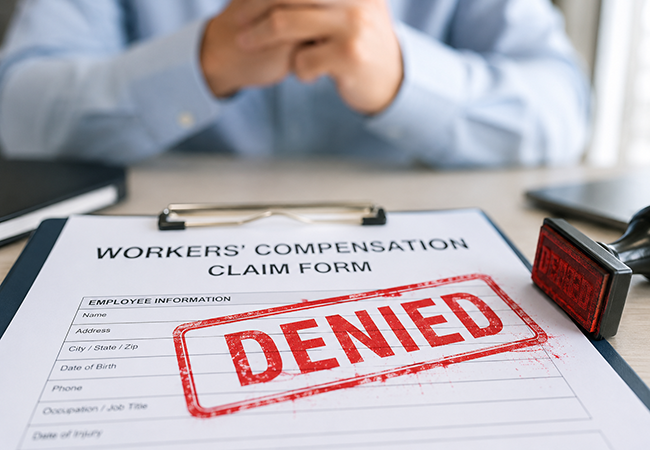
Your employees are the backbone of your business, and workers’ compensation insurance ensures they’re protected if they’re injured or become ill due to their job. In most states, workers’ comp is legally required for businesses with employees, making it one of the most critical types of insurance needed for a small business.
What Workers’ Compensation Insurance Covers:
- Medical expenses for work-related injuries and illnesses
- Rehabilitation costs and physical therapy
- Disability benefits (both temporary and permanent)
- Lost wages during recovery periods
- Death benefits for employees’ families in fatal incidents
Workers’ compensation also provides crucial protection for employers. In exchange for providing this coverage, businesses generally receive immunity from employee lawsuits related to workplace injuries. This “exclusive remedy” provision prevents costly litigation while ensuring employees receive prompt, fair compensation.
Key Considerations for 2026:
- Remote work injuries are increasingly covered under workers’ comp policies
- Mental health claims related to workplace stress are on the rise
- Rates vary significantly by industry and state classification codes
- Experience modification rates (EMR) can significantly impact premiums
According to the National Academy of Social Insurance, employers pay approximately $1.19 per $100 of payroll for workers’ compensation coverage on average, though this varies widely based on industry risk levels. High-risk industries like construction may pay significantly more, while office-based businesses typically pay less.
3. Commercial Property Insurance: Safeguarding Your Physical Assets
Your business property—whether owned or leased—represents a significant investment. Commercial property insurance protects your buildings, equipment, inventory, furniture, and other physical assets from covered perils such as fire, theft, vandalism, and certain natural disasters.
What Commercial Property Insurance Typically Covers:
- Buildings and permanent structures you own
- Business equipment, machinery, and tools
- Inventory and raw materials
- Office furniture, computers, and electronics
- Important documents and records
- Outdoor fixtures, signs, and fencing
When evaluating small business insurance types, it’s important to understand the difference between replacement cost and actual cash value policies. Replacement cost policies pay to replace damaged items with new equivalents, while actual cash value policies factor in depreciation. Though replacement cost policies carry higher premiums, they provide substantially better protection.
Important Exclusions to Note:
Standard commercial property policies typically exclude flood and earthquake damage. If your business is located in a flood zone or seismically active area, you’ll need to purchase separate coverage. Additionally, many policies exclude damage from civil unrest or acts of terrorism, which may require additional riders.
4. Professional Liability Insurance (Errors & Omissions): Protecting Your Expertise
Also known as Errors and Omissions (E&O) insurance, professional liability coverage is essential for businesses that provide services or professional advice. This insurance protects against claims of negligence, mistakes, or failure to deliver promised services.
Industries That Especially Need Professional Liability Insurance:
- Consultants and business advisors
- IT professionals and software developers
- Accountants and financial advisors
- Real estate agents and brokers
- Healthcare providers
- Architects and engineers
- Marketing and advertising agencies
- Legal professionals
Unlike general liability insurance, which covers physical injuries and property damage, professional liability covers financial losses your clients suffer due to your professional services or advice. For instance, if an accountant makes an error on a client’s tax return resulting in IRS penalties, professional liability insurance would cover the damages.
Real-World Example: A marketing consultant develops a campaign strategy that the client claims led to significant revenue losses. Even if the consultant did nothing wrong, defending against the lawsuit could cost $50,000 or more. Professional liability insurance covers both the defense costs and any settlements or judgments.
5. Business Interruption Insurance: Maintaining Cash Flow During Crises
Often overlooked but critically important, business interruption insurance (also called business income insurance) covers lost income when your business cannot operate due to a covered event. This coverage can mean the difference between weathering a crisis and closing your doors permanently.
What Business Interruption Insurance Covers:
- Lost revenue during the shutdown period
- Ongoing operating expenses (rent, utilities, loan payments)
- Employee wages to retain key staff
- Temporary relocation costs
- Extra expenses to expedite recovery
Business interruption coverage is typically included as part of a commercial property policy or Business Owner’s Policy (BOP). The coverage kicks in after a waiting period (usually 48-72 hours) and continues until your business returns to normal operations or the policy’s coverage period expires.
2026 Considerations: The COVID-19 pandemic revealed gaps in many business interruption policies, particularly regarding virus exclusions. When reviewing your coverage, pay close attention to specific exclusions and consider policies that offer broader protection against various interruption causes.
Additional Types of Insurance for Small Businesses to Consider
While the five coverages above form the foundation of most small business insurance portfolios, depending on your specific situation, you may need additional protection. Here are several other types of small business insurance worth considering:
Cyber Liability Insurance
With cyberattacks targeting small businesses at unprecedented rates, cyber liability insurance has become increasingly essential. This coverage protects against data breaches, ransomware attacks, and other cyber incidents.
Key Coverage Components:
- Data breach notification and credit monitoring for affected customers
- Forensic investigation costs
- Legal defense and regulatory fines
- Business interruption due to cyber incidents
- Ransomware payment coverage (in some policies)
In 2026, no business that handles customer data, processes electronic payments, or relies on digital systems should operate without cyber liability coverage.
Commercial Auto Insurance
If your business owns vehicles or employees drive their personal vehicles for work purposes, commercial auto insurance is essential. Personal auto policies typically exclude business use, leaving you exposed to significant liability.
Employment Practices Liability Insurance (EPLI)
EPLI protects against claims from employees alleging discrimination, wrongful termination, sexual harassment, or other employment-related issues. With employment lawsuits on the rise, this coverage is increasingly important for businesses of all sizes.
Product Liability Insurance
Businesses that manufacture, distribute, or sell products should consider product liability insurance. This coverage protects against claims arising from injuries or damages caused by defective products.
How to Determine What Type of Insurance Does a Small Business Need
Selecting the right insurance coverage requires careful analysis of your specific business risks. Here’s a systematic approach to determining your insurance needs:
Step 1: Conduct a Risk Assessment
Identify all potential risks your business faces, including:
- Physical hazards (fire, theft, natural disasters)
- Liability exposures (customer injuries, professional errors)
- Employee-related risks (workplace injuries, employment claims)
- Industry-specific risks (product defects, regulatory compliance)
- Cyber and technology risks
Step 2: Understand Legal Requirements
Research state and local insurance requirements for your business type. Most states require:
- Workers’ compensation insurance (for businesses with employees)
- Commercial auto insurance (for business vehicles)
- Professional liability insurance (for certain licensed professions)
Step 3: Review Contractual Obligations
Many business contracts, leases, and loan agreements specify minimum insurance requirements. Review these documents to ensure compliance.
Step 4: Consider Industry Standards
Research what coverage levels are standard in your industry. This helps ensure you’re adequately protected and competitive when bidding on contracts.
Step 5: Work with an Insurance Professional
A knowledgeable insurance agent or broker can help you navigate the complex world of business insurance, identify gaps in coverage, and find competitive rates.
Bundling Options: The Business Owner’s Policy (BOP)
For many small businesses, a Business Owner’s Policy (BOP) offers an efficient way to obtain essential coverage. A BOP typically bundles:
- General liability insurance
- Commercial property insurance
- Business interruption insurance
BOPs often cost less than purchasing each coverage separately and can be customized with additional endorsements. However, they may not include all the types of insurance needed for a small business, particularly workers’ compensation, professional liability, and commercial auto insurance.
Cost Factors for Small Business Insurance in 2026
Several factors influence your business insurance premiums:
- Industry classification: Higher-risk industries pay more
- Business size: Revenue, payroll, and square footage affect rates
- Location: Geographic factors influence various coverage costs
- Claims history: Past claims can increase future premiums
- Coverage limits: Higher limits mean higher premiums
- Deductibles: Higher deductibles lower premium costs
Conclusion: Investing in the Right Types of Small Business Insurance
Understanding and investing in the right types of small business insurance is one of the most important decisions you’ll make as a business owner. The five essential coverages we’ve explored—general liability, workers’ compensation, commercial property, professional liability, and business interruption insurance—provide a solid foundation of protection for most small businesses.
However, insurance isn’t one-size-fits-all. Your specific needs depend on your industry, location, business structure, and unique risk factors. Taking the time to properly assess your risks and work with qualified insurance professionals ensures you have the coverage you need without paying for protection you don’t.
As we move further into 2026, the business environment continues to evolve, bringing new challenges and risks. By staying informed about small business insurance types and regularly reviewing your coverage, you position your business to weather any storm and emerge stronger on the other side.
Frequently Asked Questions: Types of Small Business Insurance
What insurance does a small business legally need?
Workers compensation is the most common legal requirement once you have employees. Commercial auto is required if the business owns vehicles. General liability and others are often contractually required but not always legally mandated.
What is a business owners policy (BOP)?
A BOP bundles general liability and commercial property into one cost-effective package for small businesses, often with business interruption coverage included.
Do I need professional liability insurance?
If your business gives advice or professional services, yes — it covers claims of negligence or errors. OCMI’s guide to professional liability insurance explains who needs it.
How many types of insurance does a small business really need?
Most need three to five core coverages. Start with what’s legally required (workers comp, commercial auto), add general liability and property, then layer professional or cyber coverage based on your risks.
What were the main types covered before 2026?
The core categories are stable year to year. For the foundational overview, see OCMI’s guide to the 5 main types of insurance small businesses need.
Build Your 2026 Coverage on a Solid Base
The right types of small business insurance protect your people, your property, and your livelihood. Start with the legally required coverages and build out from there. For workers comp, OCMI specializes in high-risk employers and offers no-deposit, no-audit pay-as-you-go workers comp with same-day approvals. Get your OCMI estimate as your starting point.
This article is for informational purposes only and does not constitute insurance advice. Coverage needs vary by industry, state, and business. Consult a licensed insurance professional to build a program for your specific risks.