A customer slips on a wet floor, or a client says your product damaged their property. These situations can quickly turn into liability claims that create legal costs and financial risk. Understanding public liability vs general liability helps ensure your business has appropriate protection in place before a claim occurs.
Insurance terminology can be confusing because it varies by country. Many businesses assume public liability and general liability are interchangeable, but the policy name, structure, and scope depend on where you operate. Even when a claim is dismissed, legal defense costs can still be significant.
This guide explains how public liability and general liability compare, what each typically covers, and how to determine which form of commercial liability protection applies to your business.
Understanding Public Liability vs General Liability: The Core Differences
The primary difference between public liability and general liability is geographic rather than functional. Both are designed to protect businesses against third-party bodily injury and property damage claims arising from business operations.
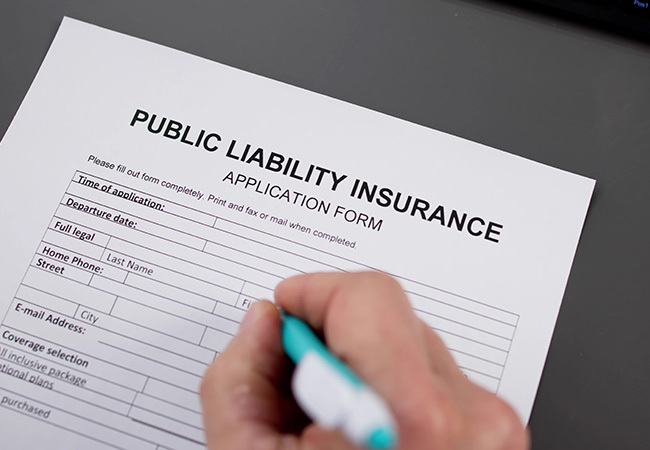
Public liability insurance is commonly used in the United Kingdom, Australia, Ireland, and other Commonwealth countries. It covers claims from third parties who are injured or whose property is damaged as a result of a business’s activities.
General liability insurance, often referred to as Commercial General Liability (CGL), is the standard term in the United States and Canada. It provides similar third-party protection but typically bundles several liability coverages into one policy.
Understanding how these terms are used in different regions helps prevent coverage gaps caused by assuming policies function the same way everywhere.
What Public Liability Insurance Covers
Public liability insurance protects against claims made by third parties, meaning people who are not employees of the business. Coverage typically includes:
- Bodily injury: Injury to members of the public caused by business operations
- Property damage: Damage to third-party property caused by business activities
- Legal defense costs: Attorney fees, court costs, and settlements
- Medical expenses: Immediate medical costs related to covered injuries
- Advertising injury: Certain claims such as libel or copyright infringement in advertising
For example, if a contractor damages a client’s flooring while performing work, public liability insurance would typically cover repair costs and related legal expenses, subject to policy terms and limits.
What General Liability Insurance Covers
In the United States, general liability insurance (CGL) typically includes:
- Premises liability: Injuries occurring on business premises
- Products liability: Claims arising from products sold or manufactured
- Completed operations: Claims related to finished work or services
- Personal and advertising injury: Defamation, false arrest, and similar claims
- Medical payments: No-fault medical payments for minor injuries
- Damage to rented premises: Certain damage to leased property
Because it combines multiple third-party liability protections, general liability often serves as the baseline liability policy for U.S. businesses.
Key Factors in the Public Liability vs General Liability Comparison
While both policies address third-party injury and property damage, differences in terminology, policy structure, and local regulations affect which coverage applies and what additional insurance may be required.
Geographic Considerations
Policy terminology and structure depend heavily on location:
- United States: General liability (CGL) is standard
- United Kingdom: Public liability is common, with employers’ liability often required separately
- Australia: Public liability is commonly paired with product liability
- Canada: Commercial General Liability is standard
Businesses operating across borders may need separate policies or endorsements to maintain consistent protection in each jurisdiction.
Coverage Scope and Limitations
Both public and general liability policies exclude certain risks. Common exclusions include:
- Intentional or criminal acts
- Professional errors or advice (requires professional liability insurance)
- Employee injuries (covered under workers’ compensation)
- Auto-related claims (requires commercial auto insurance)
- Pollution or environmental damage
- Cyber incidents and data breaches
Reviewing exclusions helps identify gaps where additional policies may be needed.
Policy Limits and Deductibles
Liability policies are typically defined by two main limits:
Per-occurrence limit: The maximum paid for a single claim. Common limits for small and mid-sized businesses often range from $500,000 to $2 million, though requirements vary by industry and contract.
Aggregate limit: The maximum paid for all claims during the policy period, usually one year. This is commonly higher than the per-occurrence limit.
Deductibles (or excess, in some regions) affect how much the business pays out of pocket before coverage applies.
Which Businesses Need Liability Insurance?
Most businesses benefit from liability insurance, particularly those that interact with customers, clients, or the general public.
High-Risk Industries
Industries with higher injury or property damage exposure often require higher liability limits:
- Construction and contracting
- Healthcare and medical services
- Manufacturing
- Hospitality and restaurants
- Retail operations
- Transportation and delivery
Professional Services
Professional service businesses often combine liability coverages:
- Consultants and advisors
- IT and technology firms
- Marketing and design agencies
- Financial services providers
General or public liability covers third-party injury and property damage, while professional liability addresses claims related to errors, advice, or omissions.
How to Choose the Right Liability Coverage for Your Business
Selecting liability coverage starts with understanding your operations, contracts, and exposure.
Step 1: Assess Your Risk Exposure
- Customer or client foot traffic
- Work performed at client locations
- Products sold versus services provided
- Employee count and job roles
- Revenue and growth plans
- Prior claims history
Step 2: Understand Contractual Requirements
Many contracts require minimum liability limits, commonly found in:
- Client and vendor agreements
- Commercial leases
- Professional licensing requirements
- Government or municipal contracts
Step 3: Compare Policies and Providers
- Coverage inclusions and exclusions
- Insurer financial stability
- Claims handling reputation
- Risk management resources
- Flexibility as the business grows
Step 4: Consider Bundling Options
- Business Owner’s Policy (BOP): General liability plus property insurance
- Commercial Package Policy (CPP): Customizable multi-line coverage
- Professional liability bundles: Combined coverage for service-based risks
Real-World Scenarios: Public Liability vs General Liability in Action
These examples illustrate how liability policies typically respond to claims.
Scenario 1: Restaurant Slip and Fall
A customer slips on a wet floor and suffers an injury.
Coverage response: Public liability (UK/Australia) or general liability (US) typically covers defense costs and covered damages up to policy limits, subject to policy terms.
Scenario 2: Contractor Property Damage
A contractor accidentally damages a client’s property during work.
Coverage response: Liability insurance generally covers third-party property damage and related legal expenses.
Scenario 3: Product Defect Injury
A defective product injures an end user.
Coverage response: U.S. general liability often includes product liability coverage; in other countries, product liability may require a separate policy or endorsement.
Common Mistakes to Avoid with Liability Insurance
Assuming Coverage Exists
Policy terms vary. Always confirm what is included, excluded, and limited.
Underinsuring
Low limits can leave a business responsible for costs above the policy limit after a severe claim.
Failing to Update Coverage
Coverage should be reviewed when operations change, such as adding services, locations, or larger contracts.
Ignoring Related Coverages
- Workers’ compensation
- Commercial property insurance
- Professional liability
- Commercial auto insurance
- Cyber liability
The Cost of Liability Insurance: What to Expect
Liability insurance pricing depends on:
- Industry and risk profile
- Annual revenue
- Employee count
- Coverage limits
- Claims history
- Location
For many small businesses, general liability insurance commonly costs about $400 to $1,500 per year. Higher-risk industries or higher limits can increase premiums.
Final Thoughts: Protecting Your Business with the Right Liability Coverage
The distinction between public liability vs general liability is mainly regional and structural. Both are intended to protect businesses from third-party bodily injury and property damage claims.
Effective risk management means understanding policy terms, selecting limits that match your exposure and contracts, and reviewing coverage as your business changes.
If you are evaluating overall insurance exposure alongside payroll and workforce risk, you may find it helpful to run a high-level estimate using this optional insurance cost calculator as a reference point.
When reviewing multiple policies at once, some businesses compare liability coverage alongside workers’ compensation costs. For a simple starting point, you can use this optional coverage estimation tool to understand how different risks contribute to total insurance exposure.