What a Professional Employer Organization (PEO) Actually Does
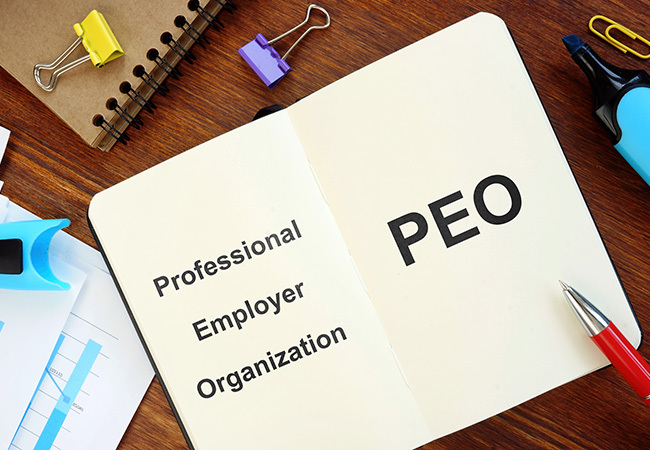
A professional employer organization is a company that provides bundled HR services—usually including payroll, tax filings, benefits administration, and workers’ compensation support—through a structure called co-employment. Co-employment sounds complicated, but here’s the simplest way to think about it:- You run your business and manage your team day to day.
- The PEO handles major HR administration and becomes the employer of record for certain tax and insurance purposes.
The Biggest Reasons Businesses Choose a PEO
1) You’re Spending Too Much Time on HR and Payroll
If payroll, onboarding, time tracking, benefits questions, and compliance documentation are eating 10–20 hours per week, that’s a growth bottleneck. A PEO can centralize and streamline these tasks so leadership can focus on revenue and operations.2) You Want Better Employee Benefits Without Fortune 500 Budgets
Many small businesses struggle to offer competitive health insurance and retirement plans. PEOs often provide access to larger-group benefit options and a more organized enrollment experience—helping you attract and retain talent.3) You Need Stronger Compliance Support
Employment laws aren’t getting simpler. Wage-and-hour rules, onboarding documents, leave policies, harassment training requirements, and multi-state compliance can create expensive mistakes. A good PEO provides guidance, templates, and systems to reduce that risk.4) Workers’ Comp Is a Pain Point
For many businesses, workers’ comp is one of the biggest operational risks and one of the most confusing parts of HR. Many PEOs include workers’ comp coverage options, safety resources, and claims support—especially helpful if you’re growing, hiring quickly, or operating in a higher-risk industry.Signs a PEO Is Probably a Good Fit
While every provider is different, PEOs tend to create the most value for companies that fit patterns like these:- You have around 5–500 employees (common “sweet spot” for PEO pricing and service depth).
- You don’t have deep HR expertise in-house, or your HR team is stretched thin.
- You want better benefits but struggle with cost, plan choice, or administration.
- You’re growing fast and onboarding is messy or inconsistent.
- You operate in multiple states or plan to expand across state lines.
- You’ve had compliance scares (misclassification, overtime issues, missing policies, etc.).
- Your workers’ comp costs or claims are rising and you want stronger safety + claims processes.
When a PEO Might NOT Be Right for You
A PEO isn’t always the best answer. You may want to consider alternatives if:- You have a mature HR department already with strong systems and internal expertise.
- You need highly specialized HR workflows that a PEO can’t support well (unique union structures, complex global payroll, very specialized compliance needs).
- You want full control over every vendor relationship (benefits broker, workers’ comp carrier, payroll provider, HR software stack).
- You have fewer than 5 employees and the cost-to-value ratio doesn’t make sense yet.
PEO vs. ASO vs. HR Software: Quick Comparison
- PEO: Co-employment model + bundled HR admin + benefits options + risk/compliance support.
- ASO: HR admin support without co-employment; you stay the sole employer of record.
- HR software: Tools only—your team runs HR, compliance, benefits, and policies themselves.
How to Decide if a PEO Is Right for You
Use this decision framework:- List your biggest pain points (payroll errors, compliance stress, benefits costs, claims issues, onboarding chaos).
- Estimate the cost of staying in-house (HR headcount, software stack, broker fees, legal consultations, time lost).
- Evaluate risk exposure (multi-state, high turnover, frequent claims, prior audits, classification complexity).
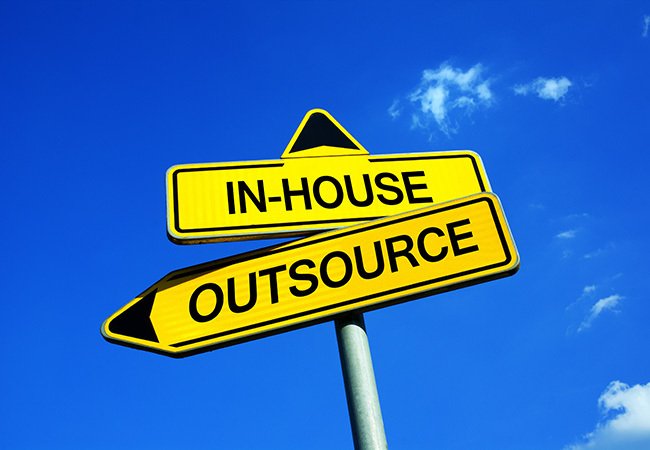
- Decide what you want to outsource vs. what you must control internally (culture, hiring decisions, discipline, performance management).
- Compare 2–3 PEO proposals and ask detailed questions about benefits, workers’ comp structure, support model, and contract terms.
Questions to Ask Before You Sign With a PEO
- Are you IRS-certified and/or ESAC-accredited?
- What’s included in the base price—and what costs extra?
- How does your workers’ comp work (master policy, claims handling, safety support, pricing model)?
- What HR technology platform do we get, and what employee self-service features are included?
- Who is our day-to-day support contact, and what are response times?
- How do you handle multi-state compliance, handbooks, and policy updates?
- What are the contract length and termination terms?
Conclusion: Is a Professional Employer Organization Right for You?
A PEO can be a smart move if you want to reduce HR admin workload, improve benefits, strengthen compliance, and get better infrastructure to support growth—without building everything internally. The best fit tends to be businesses that are growing, short on HR bandwidth, and exposed to real compliance or workers’ comp risk. If you’re considering a PEO, focus on the total picture: the time saved, risks reduced, and tools gained—not just the monthly per-employee fee. Then compare providers carefully, especially around benefits and workers’ comp, because those details make (or break) the value. Want to see how HR structure can affect your workers’ comp costs? Use OCMI’s free tool to estimate premiums and plan your next steps with confidence. Start your free workers’ comp calculator hereQuick Summary
- A PEO handles payroll, benefits, compliance, and workers’ comp support through co-employment.
- PEOs are often a strong fit for 5–500 employee companies that are growing or stretched thin.
- Not every business needs a PEO—sometimes an ASO or HR software is enough.
- Compare providers closely on support, benefits, workers’ comp structure, and contract terms.